Solvent Degreasing vs Aqueous Alkaline Cleaning for CNC-Machined Steel Parts
Summary: Solvent degreasing dissolves oils through solvation and evaporates cleanly. Aqueous alkaline cleaning removes contaminants through emulsification and saponification but requires thorough rinsing. This article compares the two at the chemistry level, evaluates performance, provides a decision matrix, examines the regulatory landscape, breaks down total cost of ownership, and explores hybrid approaches that bridge the gap.
Table of Contents
I. Why This Comparison Matters Now
II. How Solvent Degreasing Works: Solvation Mechanisms
III. Understanding Solvency: Hansen Solubility Parameters
IV. How Aqueous Alkaline Cleaning Works: Emulsification and Saponification
V. Performance Comparison Across Key Dimensions
VI. Operating Condition Matrix: Matching Chemistry to Application
VII. Regulatory and Environmental Considerations
VIII. Total Cost of Ownership: Beyond Chemical Price per Liter
IX. Transition Strategies: Moving from Solvent to Aqueous
X. Hybrid Approaches and Co-Solvent Systems
XI. Key Takeaway
XII. References
I. Why This Comparison Matters Now
The cleaning of CNC-machined steel parts directly affects downstream processes including heat treatment, coating, assembly, and inspection. The two dominant approaches, solvent degreasing and aqueous alkaline cleaning, each have distinct chemical mechanisms, performance profiles, and regulatory implications. The decision between them has become more complex as VOC regulations tighten and part geometries become more intricate.
The Shifting Landscape
Historically, solvent degreasing dominated because of its simplicity, speed, and residue-free drying. Regulatory pressure on VOCs has driven many manufacturers toward aqueous alternatives, with EPA case studies documenting 90 percent emission reductions after switching (EPA, 2024). Yet modern closed-loop vapor degreasing systems have dramatically reduced emissions, making the comparison more nuanced.
In December 2024, the EPA finalized rules under the Toxic Substances Control Act (TSCA) that effectively ban trichloroethylene (TCE) for most industrial uses and impose strict exposure limits on perchloroethylene (PCE). Manufacturers relying on chlorinated solvents face mandatory transitions. Understanding the chemistry behind each option is no longer optional for plant engineers. It is an operational necessity.
II. How Solvent Degreasing Works: Solvation Mechanisms
Solvent degreasing removes contaminants by dissolving them directly into the solvent through solvation: solvent molecules surround and separate contaminant molecules from the substrate surface. No chemical reaction occurs. The contaminant simply transfers from the part surface into the bulk solvent.
Hydrocarbon Solvents
Hydrocarbon solvents (mineral spirits, modified alcohols, isoparaffins) work through "like dissolves like" chemistry. Nonpolar machining oils and greases dissolve readily in nonpolar hydrocarbon solvents. The cleaning speed depends on the Kauri-Butanol (KB) value of the solvent, which measures its solvency power. Higher KB values indicate stronger dissolving capability. Typical KB values for common industrial solvents range from 25-30 for isoparaffins (mild solvency) to 90-105 for aromatic solvents (aggressive solvency). Hydrocarbon solvents are effective against mineral oils, waxes, and greases but less effective against polar contaminants such as water-soluble coolants or corrosion inhibitors.
Chlorinated Solvents
Chlorinated solvents (trichloroethylene, perchloroethylene, methylene chloride) offer significantly higher solvency power than hydrocarbons, capable of dissolving both polar and nonpolar contaminants. Their low surface tension (typically 25-32 mN/m compared to 72 mN/m for water) allows penetration into blind holes, fine threads, and complex geometries that aqueous solutions cannot reach effectively. However, chlorinated solvents carry significant health and environmental concerns, and their use is increasingly restricted by regulation.
The Drying Advantage
A key advantage of solvent degreasing is evaporative drying. After cleaning, residual solvent evaporates completely, leaving no residue on the part surface. This eliminates the rinse and dry steps required by aqueous systems and makes solvent cleaning particularly attractive for parts that are difficult to dry (complex geometries with trapped water pockets). For field engineers managing tight production schedules, this self-drying characteristic can reduce total cycle time by 30 to 50 percent compared to aqueous processes that require dedicated drying stages.
III. Understanding Solvency: Hansen Solubility Parameters
While the KB value provides a single-number estimate of solvency power, it does not capture the full picture. The Hansen Solubility Parameter (HSP) system, developed by Charles Hansen in 1967, provides a more rigorous framework by breaking the total cohesive energy of a substance into three components:
delta-D (Dispersion): Van der Waals or nonpolar interactions, dominant in hydrocarbon-to-hydrocarbon dissolution.
delta-P (Polar): Dipole-dipole interactions, significant for ester-based lubricants and synthetic coolants.
delta-H (Hydrogen bonding): Water has a very high delta-H, which is why it cannot dissolve nonpolar oils without surfactant assistance.
These three parameters define a point in 3D space. The closer a solvent's HSP coordinates are to the contaminant's, the more effectively it dissolves that contaminant. This is the quantitative version of "like dissolves like."
Practical Application to Cleaning Chemistry Selection
In practice, the HSP distance (Ra) between a solvent and a contaminant determines cleaning effectiveness. The Ra value is calculated as the geometric distance between the two points in Hansen space. Research and industry experience indicate that an Ra distance less than 8 generally predicts good cleaning performance, while distances greater than 8 indicate poor solvency for that particular soil.
This framework explains why no single solvent is optimal for all contaminants. A mineral oil (low delta-P, low delta-H) sits in a very different region of Hansen space than a water-soluble synthetic coolant (moderate delta-P, high delta-H). Selecting the right cleaning chemistry requires matching the solvent's HSP profile to the specific contaminant being removed.
Why This Matters for Multi-Contaminant Scenarios
CNC-machined steel parts rarely carry a single type of contamination. A typical part might have residues of neat cutting oil from turning operations, water-miscible coolant from milling, and corrosion-preventive oil applied during inter-operation storage. Each contaminant has a different HSP profile, and the optimal cleaning approach must address all of them. This multi-contaminant reality is one reason why aqueous alkaline systems have gained ground in complex manufacturing environments, and why solvent blending has become an increasingly sophisticated practice.
IV. How Aqueous Alkaline Cleaning Works: Emulsification and Saponification
Aqueous alkaline cleaners remove contaminants through multiple simultaneous mechanisms rather than simple dissolution.
Emulsification
Surfactants reduce the interfacial tension between oil and water, breaking oil into microscopic droplets suspended in solution. Surfactant molecules form micelles that encapsulate oil droplets and prevent re-deposition. Emulsification is the primary removal mechanism for mineral oils, synthetic coolants, and drawing compounds.
Effectiveness depends on surfactant concentration relative to the critical micelle concentration (CMC). Above the CMC, micelles actively solubilize oil. As the bath loads up with oil, free-surfactant concentration drops and cleaning degrades, making bath monitoring critical for consistent results.
Saponification
For animal and vegetable-based oils, alkaline solutions cause saponification, converting the oil into water-soluble soap through a true chemical reaction. Saponification requires alkalinity (typically pH 9-13) and is accelerated by temperature. At 50-70 degrees Celsius, saponification of vegetable oils proceeds within minutes.
Displacement and Wetting
The alkaline solution penetrates between the contaminant film and the substrate, physically lifting contaminants away from the metal. This mechanism is enhanced by mechanical action (spray, agitation, or ultrasonic cavitation) and temperature. Aqueous cleaners also carry away solid particulates and metal fines that solvents leave behind, a meaningful advantage in CNC machining environments.
The Rinse Challenge
Aqueous cleaning adds complexity in the rinse and dry stages. Residual alkaline cleaner on steel surfaces can cause staining, interfere with coatings, or accelerate corrosion. Effective rinsing typically requires one to three stages, often with DI or RO water for the final rinse. Industry experts consistently identify poor rinsing as the most common root cause when aqueous systems fail to deliver acceptable results.
V. Performance Comparison Across Key Dimensions
Evaluating both systems under conditions typical of CNC-machined steel parts cleaning:
Figure 1. Solvent vs. Aqueous Alkaline Performance Radar
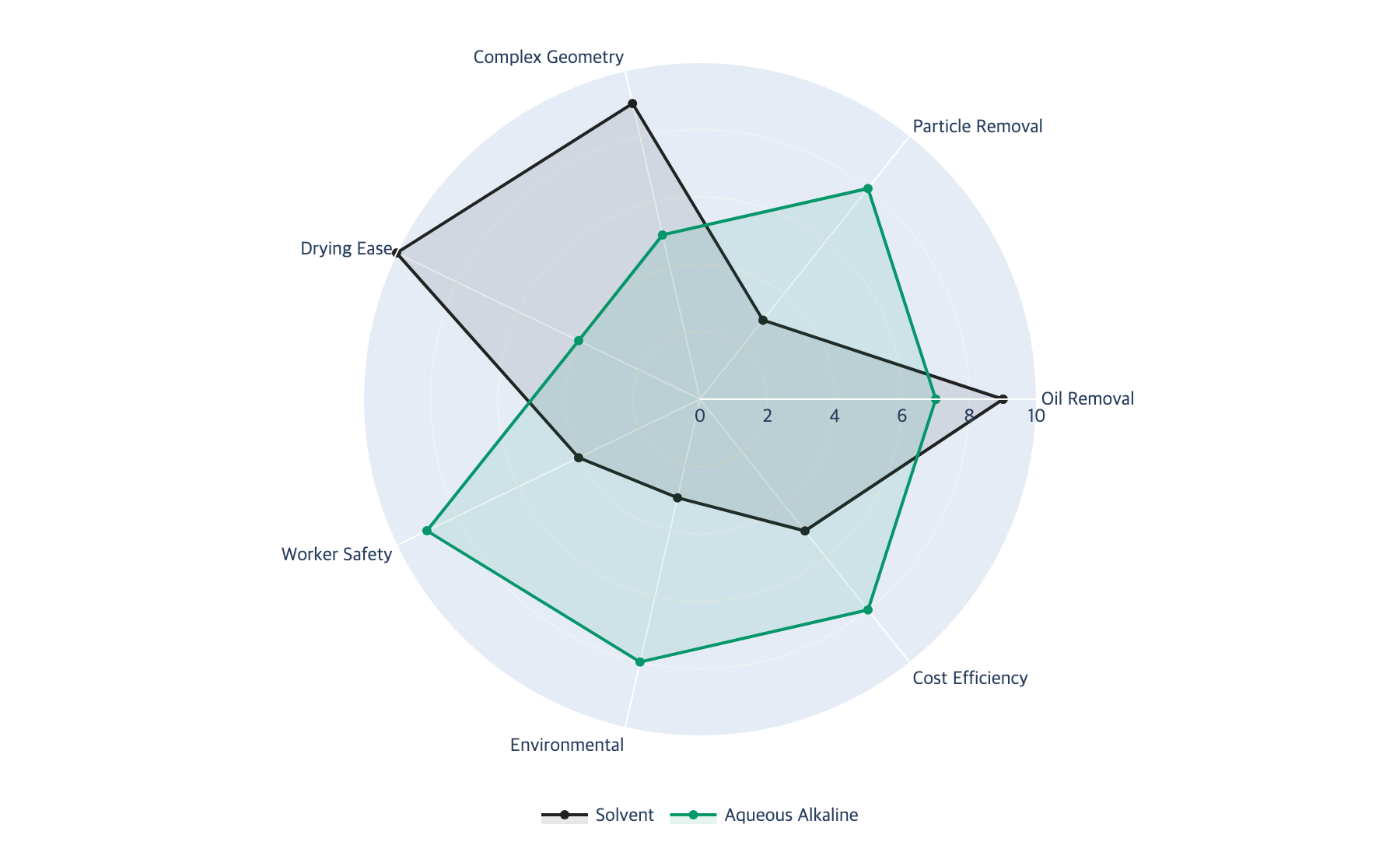
Figure 1b. Head-to-Head Performance Comparison
Dimension | Solvent Degreasing | Aqueous Alkaline Cleaning |
|---|---|---|
Cleaning speed (per cycle) | 3-10 minutes | 5-15 minutes |
Mineral oil removal | Excellent | Very good |
Synthetic coolant removal | Good | Excellent |
Particulate removal | Poor to fair | Good to excellent |
Complex geometry penetration | Excellent (low surface tension) | Fair (requires agitation) |
Residue after cleaning | None (evaporative) | Possible (requires rinsing) |
Drying requirement | None (self-drying) | Required (hot air, vacuum) |
Flash point risk | High (hydrocarbons) or none (chlorinated) | None |
Worker exposure risk | Moderate to high | Low |
Waste disposal complexity | Hazardous waste (most solvents) | Standard wastewater (most cases) |
Equipment cost | Moderate to high | Moderate |
Operating cost per part | Higher (solvent replacement) | Lower (water-based) |
The table reveals complementary strengths. Solvents excel at dissolving oils and reaching complex geometries with clean drying. Aqueous systems excel at particulate removal, synthetic coolant cleaning, and worker safety. Neither is universally superior. In high-volume production, an aqueous system with a continuous conveyor can outperform a batch vapor degreaser in parts-per-hour despite a longer per-cycle time.
VI. Operating Condition Matrix: Matching Chemistry to Application
The optimal cleaning approach depends on three primary variables: part geometry, contamination type, and production volume.
Figure 2. Condition-Based Decision Matrix
Part Geometry | Contamination Type | Production Volume | Recommended Approach |
|---|---|---|---|
Simple (flat, accessible) | Mineral oil only | Any | Either (aqueous preferred for cost) |
Simple | Synthetic coolant | Any | Aqueous alkaline |
Simple | Mixed (oil + particles) | Any | Aqueous alkaline with filtration |
Complex (blind holes, threads) | Mineral oil only | Low-medium | Solvent (vapor degreasing) |
Complex | Mineral oil only | High | Aqueous with ultrasonic assist |
Complex | Synthetic coolant | Any | Aqueous with ultrasonic + extended rinse |
Complex | Heavy wax/drawing compound | Low-medium | Solvent (high KB value) |
Precision (tight tolerances) | Any oil type | Any | Solvent for cleaning, DI water rinse |
Water-sensitive substrate | Any | Any | Solvent only |
For CNC-machined steel parts, aqueous alkaline cleaning handles the majority of applications when paired with appropriate agitation and rinsing. Solvent degreasing retains its advantage for complex internal geometries where water entrapment creates drying problems, and for heavy wax or drawing compound removal.
Beyond the Matrix: Real-World Decision Factors
The matrix provides a starting point, but the real decision often hinges on existing infrastructure (installed equipment, trained operators, waste handling contracts) and production mix variability. A job shop processing dozens of different part geometries each week may find solvent degreasing more practical than an aqueous line optimized for a narrower range of parts.
VII. Regulatory and Environmental Considerations
The regulatory landscape significantly influences the cleaning chemistry decision, and it varies by region and industry.
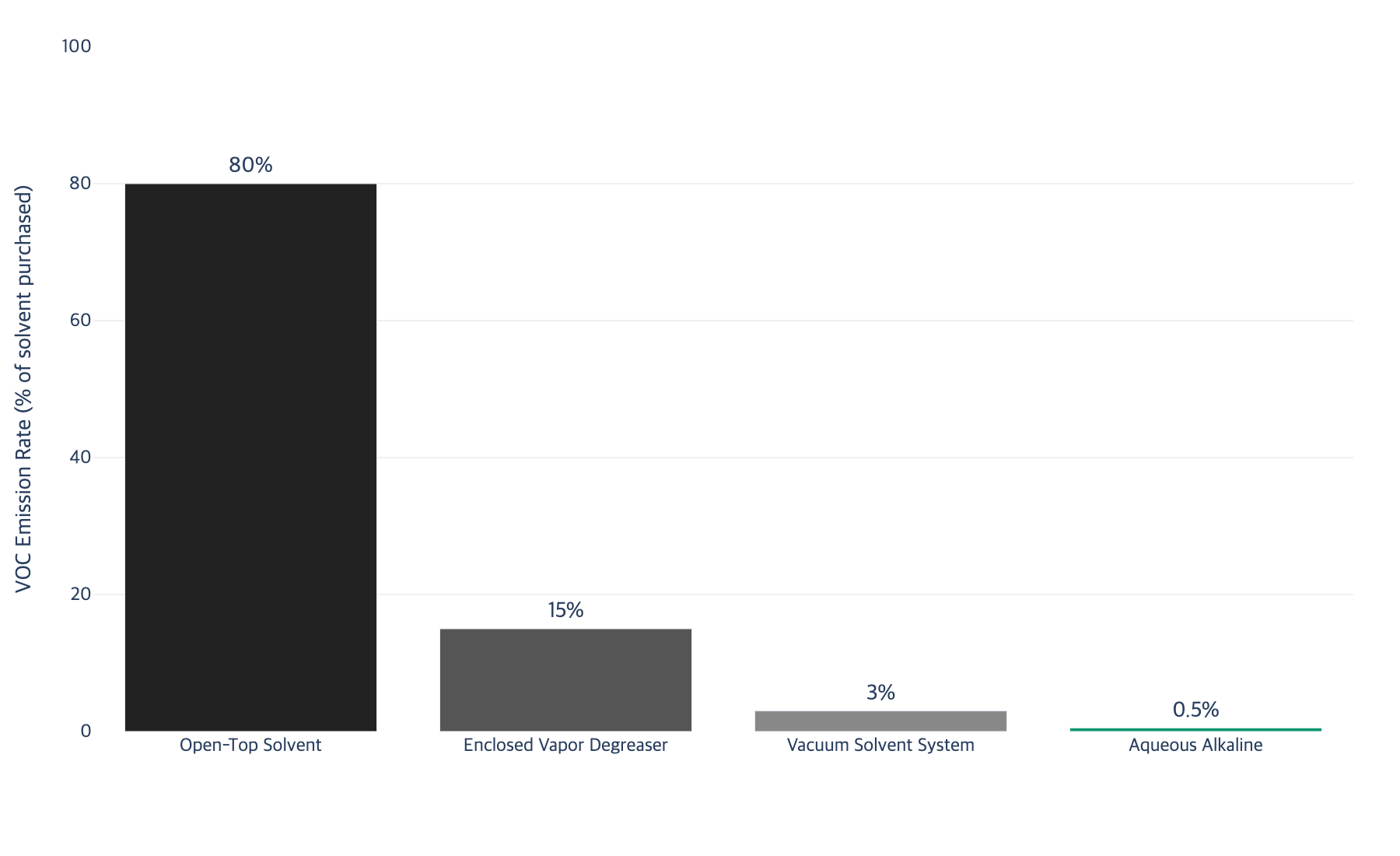
Figure 3. VOC Emission Rates by Cleaning System Type
VOC Emissions and Air Quality
Solvent degreasing generates VOC emissions regulated under the U.S. Clean Air Act, the EU Industrial Emissions Directive, and equivalent regulations globally. Open-top systems can emit 50 to 80 percent of purchased solvent as atmospheric emissions. Modern enclosed vacuum systems reduce emissions to below 5 percent but still require monitoring and reporting. Aqueous alkaline cleaners generate negligible VOC emissions.
The NESHAP under 40 CFR Part 63, Subpart T, requires controls such as freeboard ratios, automated hoist systems, superheated vapor zones, and carbon adsorption for halogenated solvent degreasers, all adding capital and operating costs.
The TCE and PCE Phase-Out
The regulatory ground has shifted fundamentally for the two most widely used chlorinated cleaning solvents. Under the EPA's December 2024 final rules: TCE manufacturing for industrial uses was prohibited after March 2025, with an interim ECEL of 0.2 ppm (8-hour TWA). PCE faces a compliance deadline of March 13, 2026, for a workplace ECEL of 0.14 ppm, with vapor degreasing use prohibited as of December 2027. These are enforceable deadlines. Any facility still running TCE or PCE degreasing must have a transition plan underway.
EU REACH and the Authorization Framework
In the European Union, the REACH regulation provides a different but equally consequential pathway. TCE is listed as a Substance of Very High Concern (SVHC) under REACH due to its carcinogenicity classification. Companies wishing to continue using TCE must apply for authorization, demonstrating that risks are adequately controlled or that no suitable alternatives exist. Research published in the Journal of Cleaner Production found that most firms responded by substituting TCE with PCE, classified as a suspected rather than proven carcinogen in the EU. However, with the U.S. EPA now restricting both substances and the European Chemicals Agency continuing to review PCE, this substitution strategy may prove temporary.
Wastewater Discharge
Aqueous systems generate wastewater containing dissolved metals, oils, surfactants, and alkaline chemicals. Treatment (pH adjustment, oil separation, metals precipitation) is required before discharge. Discharge permits under the Clean Water Act (U.S.) or Water Framework Directive (EU) impose limits on pH, suspended solids, oil and grease, and specific metals. Facilities that cannot treat on-site must contract for off-site disposal, increasing operating costs.
Worker Health and Safety
Solvent exposure risks include respiratory irritation, central nervous system effects, and carcinogenicity for some chlorinated solvents. The EPA's new ECELs (0.2 ppm for TCE, 0.14 ppm for PCE) are far more stringent than OSHA's older PELs, requiring enhanced monitoring and controls. Aqueous alkaline cleaners present primarily skin irritation risks from high-pH contact, manageable through standard PPE, representing a meaningful simplification for health and safety teams.
VIII. Total Cost of Ownership: Beyond Chemical Price per Liter
A meaningful economic comparison requires evaluating total cost of ownership (TCO) on a per-part-cleaned basis, incorporating all direct and indirect costs.
Capital Equipment Costs
Modern enclosed vapor degreasing systems with vacuum operation, solvent recovery, and emission controls typically range from $80,000 to $300,000 depending on capacity. Comparable aqueous cleaning lines with wash, rinse, and dry stages typically range from $50,000 to $250,000. The ranges overlap significantly. Aqueous systems requiring ultrasonic transducers, DI water generation, or vacuum drying push toward the upper bound, while solvent systems in strict-regulation jurisdictions may need add-on carbon adsorption or catalytic oxidation units.
Chemical, Consumable, and Energy Costs
Hydrocarbon solvents range from $5 to $15 per liter; chlorinated solvents from $8 to $25 per liter. Modern closed-loop systems with distillation recycle 90 to 95 percent of solvent, reducing consumption. Aqueous alkaline concentrates range from $3 to $12 per liter but are diluted 3 to 10 percent in water, making the effective working solution cost substantially lower. However, aqueous systems also consume water, may require DI water generation, and need energy for heating (50-70 degrees Celsius) and drying stages. Energy consumption per cycle is roughly comparable between the two systems depending on configuration.
Waste Disposal and Compliance Costs
Spent solvent is classified as hazardous waste under RCRA, with disposal costs of $1 to $5 per liter. Spent aqueous cleaner can often be treated on-site and discharged to sewer, with treatment costs of $0.10 to $0.50 per liter. Where off-site disposal is required, aqueous waste is typically non-hazardous, reducing disposal costs by 60 to 80 percent versus solvent waste. Beyond disposal, solvent degreasing requires emission monitoring equipment, exposure monitoring programs, and regulatory reporting, adding an estimated 10 to 25 percent to direct operating costs.
The TCO Picture
When all categories are included, aqueous cleaning typically delivers 15 to 40 percent lower total cost per part for standard CNC-machined steel parts. The gap widens in jurisdictions with strict VOC regulations. However, where solvent degreasing eliminates quality problems (water staining, trapped moisture), the higher cost may be justified by reduced scrap and rework.
IX. Transition Strategies: Moving from Solvent to Aqueous
A structured transition reduces the risk of quality disruptions and production losses.
Step 1: Baseline Current Performance
Establish quantitative measurements of the current solvent system's output using standardized methods (water break test, contact angle measurement, gravimetric analysis). Document cleaning cycle time, throughput rate, and reject/rework rate. These baselines become the targets the replacement system must meet.
Step 2: Characterize the Contaminant Load
Identify all contaminants present on parts entering the cleaning process by sampling actual machining fluids, coolants, and corrosion preventives. Understanding the contaminant chemistry (mineral oil vs. synthetic, polar vs. nonpolar, presence of EP additives or biocides) is essential for selecting the right aqueous cleaner formulation.
Step 3: Conduct Laboratory and Pilot Testing
Test candidate cleaner formulations at laboratory scale on actual production parts with actual contaminants. Evaluate multiple formulations, concentrations, and process parameters. Scale up to pilot testing that replicates production conditions, paying particular attention to rinsing effectiveness and drying completeness on the most challenging part geometries.
Step 4: Design the Process with Rinse and Dry Stages
The most common failure mode in solvent-to-aqueous transitions is underestimating rinse and dry requirements. Plan for two to three rinse stages for parts requiring high cleanliness, consider DI or RO water for final rinsing, and design the drying system to handle the most water-retentive part geometry in the production mix. Blind holes, internal threads, and stacked assemblies require extended drying times or vacuum drying.
Step 5: Establish Bath Monitoring and Maintenance Protocols
Aqueous baths require regular monitoring, unlike solvent systems with integrated distillation. Key parameters include concentration (refractometry or titration), pH, temperature, oil loading, and microbial contamination for systems operating below 55 degrees Celsius. Weekly monitoring is the minimum recommended frequency, with daily checks during the initial startup period.
Step 6: Train Operators
Aqueous cleaning involves different operational knowledge than solvent degreasing. Operators need to understand bath chemistry monitoring, recognize signs of bath degradation, manage rinse water quality, and troubleshoot drying problems. Investing in operator training during transition pays dividends in long-term process stability.
X. Hybrid Approaches and Co-Solvent Systems
A third category combines elements of both: hybrid and co-solvent systems.
Semi-Aqueous Cleaning
Semi-aqueous cleaning uses a solvent-based wash stage (typically terpene-based, glycol ether-based, or modified alcohol solvents) followed by an aqueous rinse stage. The solvent stage provides the solvency power to dissolve heavy oils and penetrate complex geometries, while the aqueous rinse removes solvent residue and particulates. This approach is particularly effective for heavy waxes, drawing compounds, and baked-on residues that resist both straight solvent and straight aqueous cleaning.
Modified Alcohol Systems
Modified alcohols (alkoxy-propanols and similar compounds) contain both alcohol and ether functional groups, giving them miscibility with both oils and water. They offer higher flash points and lower toxicity than traditional solvents, with improved cleaning across a broader range of contaminant types. Operating in vacuum-sealed chambers, these systems achieve solvent recovery rates above 99 percent and near-zero emissions. Several equipment manufacturers now offer hybrid machines that can run modified alcohols, hydrocarbons, or aqueous chemistries in the same unit.
Co-Solvent Blending for Targeted Solvency
Returning to the Hansen Solubility Parameter framework, co-solvent blending offers a scientifically grounded approach to optimizing cleaning chemistry. By blending two or more solvents with different HSP profiles, the effective HSP of the mixture can match a wider range of contaminants than any single solvent. For example, blending a hydrocarbon solvent (high delta-D, low delta-P) with a glycol ether (moderate delta-D, moderate delta-P) creates a medium effective against both nonpolar mineral oils and moderately polar synthetic coolant residues. This approach is especially relevant in precision cleaning applications where the contaminant mix is well-characterized and cleanliness specifications are stringent.
When Hybrid Systems Make Sense
Hybrid systems add process complexity and cost, but are justified when: parts have complex internal geometries with heavy oil and particulate-free requirements (aerospace, hydraulic valve bodies, fuel injection); VOC restrictions preclude traditional solvent degreasing; facilities are transitioning from banned chlorinated solvents; or high part variability prevents a single chemistry from covering all contamination types.
XI. Key Takeaway
Solvents remove contaminants through direct solvation with clean evaporative drying; aqueous alkaline systems use emulsification and saponification with required rinsing
Hansen Solubility Parameters provide a quantitative framework for matching solvents to contaminants (Ra distance below 8 predicts effective cleaning)
The EPA's 2024 final rules on TCE and PCE create enforceable deadlines requiring transition plans now
Total cost of ownership typically favors aqueous systems by 15 to 40 percent for standard CNC-machined steel applications
Solvent degreasing remains superior for parts with blind holes or internal features where water entrapment creates quality problems
Hybrid and co-solvent systems offer a third path combining solvency advantages with the environmental profile of aqueous cleaning
The cleaning chemistry decision involves a web of interacting variables: part geometry, contaminant chemistry, production volume, regulatory jurisdiction, downstream process requirements, and existing equipment. Navigating these variables manually is time-consuming and prone to the biases of past experience. What if you could input your specific parameters, from machining fluid composition to part geometry to local regulatory limits, and receive a mechanism-based recommendation backed by chemical compatibility data, HSP matching, and regulatory compliance verification? That is the approach Lubinpla's AI platform takes: replacing guesswork in cleaning chemistry selection with data-driven analysis that considers every relevant variable simultaneously, so your team spends less time debating chemistry and more time running production.
XII. References
[1] EPA, "Case Studies on Safer Alternatives for Solvent Degreasing Applications", 2024. [2] Better Engineering, "Solvent vs. Aqueous Cleaners Explained", 2024. [3] Arrow Chemical, "The Ultimate Guide to Industrial Aqueous and Solvent Cleaners", 2024. [4] SAFECHEM, "Aqueous Cleaning or Solvent Cleaning?", 2024. [5] Fictiv, "Best Methods for Cleaning CNC Machined Parts", 2024. [6] Products Finishing, "Aqueous or Solvent-Based Cleaning?", 2024. [7] EPA, "Control Techniques Guidelines: Industrial Cleaning Solvents", 2006. [8] Hansen, C.M., "Hansen Solubility Parameters: A User's Handbook", CRC Press, 2007. [9] Hansen Solubility Parameters, "HSP Examples: Solvent Cleaning". [10] EPA, "Halogenated Solvent Cleaning: NESHAP", 40 CFR Part 63, Subpart T. [11] EPA, "Fact Sheet: 2024 Final Risk Management Rule for Trichloroethylene under TSCA". [12] EPA, "Perchloroethylene (PCE); Regulation Under TSCA", Federal Register, December 2024. [13] Glogar, "Hybrid Cleaning: More Than Pure Solvent Cleaning". [14] Brighton Science, "Navigating the Solvent Switch: A Sustainable Future for Parts Cleaning". [15] Finishing and Coating, "Making the Switch from Solvent to Aqueous Cleaning".
Powered by Lubinpla
Discover how technical teams solve complex challenges faster with AI.