Why Structural Adhesive Joints Fail Under Cyclic Loading: Fatigue and Creep Mechanisms
Summary: Structural adhesive joints in automotive, aerospace, and industrial assemblies frequently fail well below their static strength ratings after months of cyclic mechanical and thermal loading. The root causes are viscoelastic creep under sustained load, fatigue crack initiation at stress concentrators, and hygrothermal aging that degrades crosslink density. This article traces these three mechanisms from polymer chemistry to field failure patterns and presents a framework for selecting adhesive chemistry based on dynamic performance data rather than static strength alone. Engineers who understand these mechanisms can prevent premature joint failures and select adhesives matched to actual service loading conditions.
Table of Contents
I. The Static Strength Illusion
II. Viscoelastic Creep: How Adhesives Deform Under Sustained Load
III. Fatigue Crack Initiation and Growth
IV. Hygrothermal Aging and Crosslink Degradation
V. Adhesive Chemistry Selection for Dynamic Applications
VI. Field Cases: When Static Data Misleads
VII. Key Takeaway
VIII. References
I. The Static Strength Illusion
Standard adhesive selection relies heavily on static test data, particularly lap shear strength measured at room temperature. A structural epoxy that achieves 25 MPa in a single-lap shear test appears to provide a comfortable safety margin for a joint designed at 10 MPa service load. Yet field failures of adhesive joints operating well below their rated static strength are common across industries. The disconnect is fundamental: static test data measures instantaneous strength under controlled conditions, but real-world joints experience cyclic mechanical loads, sustained static loads, temperature fluctuations, and moisture exposure simultaneously over months or years.
Why This Matters
The consequences of adhesive joint failure in structural applications range from costly warranty claims to safety-critical incidents. In automotive body-in-white bonding, where structural adhesive usage continues to grow at a compound annual growth rate of approximately 4.8 percent to support multi-material lightweight vehicle architectures (Metastat Insight, 2025), joint fatigue contributes to noise, vibration, and harshness (NVH) degradation over the vehicle's lifetime. In aerospace secondary structures, bond degradation can require unscheduled inspections and repairs. The Federal Aviation Administration has noted that the main barrier to certifying primary adhesively bonded structures is the uncertainty of bondline quality combined with the inability of existing non-destructive testing methods to fully detect interfacial defects (FAA, 2024). In industrial equipment, adhesive joint failures cause unplanned downtime, and failed bonds lead to increased scrap rates with wasted materials and components that cannot be reworked.
The Gap Between Datasheet and Service
The root of the problem lies in how adhesive performance data is generated and consumed. Standard test methods such as ASTM D1002 for lap shear or ASTM D3163 for double-lap shear apply a monotonically increasing load to a bonded coupon at a controlled rate, typically 1.3 mm per minute, until the joint fails. The result is a single number representing peak stress at failure. This number says nothing about how the adhesive performs after 100,000 load cycles, or after 12 months of exposure to 85 percent relative humidity at 60 degrees Celsius. It does not capture the slow, progressive degradation that defines real-world adhesive joint failure. Research has documented that shear strength values in adhesives may depreciate by an order of magnitude, from thousands to hundreds of psi, due to a lifetime of wear and dynamic movement (Ellsworth, 2024). Understanding the mechanisms that cause joints to fail below static ratings is essential for reliable design.
II. Viscoelastic Creep: How Adhesives Deform Under Sustained Load
All polymer adhesives are viscoelastic, meaning they exhibit both elastic (spring-like) and viscous (flow-like) behavior under load. When a sustained load is applied to an adhesive joint, the adhesive deforms instantaneously (elastic response) and then continues to deform slowly over time (creep). The rate and extent of creep depend on the adhesive's polymer architecture, the applied stress, the temperature, and the moisture content. For engineers accustomed to working with metallic fasteners, where sustained loads within the elastic range produce negligible time-dependent deformation, this behavior is counterintuitive and often underestimated.
The Creep Mechanism at the Molecular Level
At the molecular level, creep occurs as polymer chains rearrange under stress. In thermoset adhesives such as epoxies and structural acrylics, the crosslinked network limits chain mobility but does not eliminate it. Under sustained load, chain segments between crosslinks gradually extend and reorient, producing measurable displacement that accumulates over time. This process proceeds through three distinct stages. In the primary creep stage, the creep rate starts at a relatively high value, then decreases rapidly with time as polymer chains slip and orient under constant stress (Nosrati, 2022). After a certain period, the creep rate reaches a steady state at the secondary creep stage, in which viscoelastic flow in the polymer occurs at a constant rate. If loading continues, the material enters the tertiary creep stage, where the creep rate increases rapidly as molecular damage accumulates and the adhesive approaches failure.
The rate of creep increases dramatically as temperature approaches the adhesive's glass transition temperature (Tg), because thermal energy provides sufficient molecular mobility for chain rearrangement. Since Tg is an indicator of polymer chain mobility and can be related to free volume within the polymer network, it serves as the single most important specification for creep-sensitive applications. An epoxy with a Tg of 80 degrees Celsius may show negligible creep at 25 degrees Celsius but significant creep at 60 degrees Celsius under the same load. Research on cold-curing epoxy adhesives has shown that in the temperature range between Tg and Tg plus 15 degrees Celsius, thixotropic adhesives creep to a limit and behave as classic viscoelastic polymers, while above Tg plus 15 degrees Celsius they behave like rubbers with essentially unrestricted flow (HAL Science, 2015).
Time-Temperature Superposition and Long-Term Prediction
Predicting long-term creep behavior from short-term laboratory tests is one of the central challenges in adhesive joint design. The Time-Temperature Superposition Principle (TTSP) provides a practical tool for this purpose. By conducting short-duration creep tests at multiple elevated temperatures, engineers can construct a master curve that predicts creep behavior over much longer time periods at lower temperatures. The principle works because the same molecular relaxation processes that occur slowly at low temperatures occur more rapidly at high temperatures, so elevated-temperature data can be shifted along the time axis to represent long-duration ambient-temperature behavior.
However, TTSP has limitations that field engineers should be aware of. The principle is strictly valid only within the linear viscoelastic region, meaning that the applied stress must be low enough that creep behavior is proportional to stress. At higher stress levels, nonlinear effects emerge, and TTSP predictions become unreliable. Additionally, TTSP assumes that no chemical changes occur over the prediction timeframe, which may not hold in environments where moisture causes plasticization or hydrolysis. For design purposes, creep compliance data should be obtained at the actual service temperature and stress level whenever possible, using TTSP predictions only as supplementary information.
Creep and Joint Failure
Creep does not always cause immediate failure. In many cases, creep redistribution actually relieves peak stresses at joint edges, temporarily improving load distribution across the bond area. However, excessive creep can cause the joint to exceed its displacement tolerance, and in combination with cyclic loading, creep-fatigue interaction accelerates failure. Research shows that the creep strain of adhesive joints at high temperature and humidity is significantly larger than at high temperature alone, because water molecules act as plasticizers that increase molecular mobility (MDPI Polymers, 2023). A detailed investigation across a range of temperatures found that tensile strength, fatigue limit, and creep limit all improved with lower test temperatures, but the temperature sensitivity of strength was highest in the creep test, confirming that creep is the failure mode most affected by thermal conditions (PMC, 2024).
The practical implication is that adhesive joints designed for sustained-load applications must be specified with Tg values well above the maximum expected service temperature, not merely above the nominal operating temperature. A common rule of thumb is to maintain a minimum 30 degree Celsius margin between Tg and the maximum service temperature, but this margin should increase for humid environments where moisture-induced plasticization can depress the effective Tg by 10 to 20 degrees Celsius.
III. Fatigue Crack Initiation and Growth
Fatigue failure in adhesive joints follows a predictable pattern: crack initiation at stress concentrators, stable crack growth under continued cycling, and sudden failure when the remaining bond area can no longer support the applied load. Unlike static failure, which is often dramatic and immediately noticeable, fatigue failure progresses gradually and may not produce visible symptoms until the joint is near catastrophic failure. This makes fatigue the most insidious failure mode for adhesive joints in service.
Where Cracks Start
Fatigue cracks in adhesive joints initiate preferentially at three locations, each of which can be addressed through design and process control. Bond line edges experience the highest peel and shear stress concentrations, particularly in lap joints where the eccentric load path creates bending moments at the overlap ends. Research has confirmed that most of the stress is localized at the ends of the overlap, and the center of the lap joint contributes little to joint strength (PMC, 2019). This stress distribution means that a longer overlap does not proportionally increase fatigue life, because the additional bond area at the center carries minimal load.
Voids and porosity within the adhesive layer act as internal stress concentrators that nucleate fatigue cracks. Even small voids, 0.5 mm or less in diameter, create local stress amplification that can reduce fatigue life by 30 to 50 percent compared to void-free joints. The challenge is that voids are not always detectable through standard non-destructive inspection. No single inspection method has been found adequate for the wide variety of adhesive bonding applications seen today, and interfacial defects in the form of kissing bonds may go entirely undetected using conventional ultrasonic or X-ray methods (Evident, 2024).
Fillet geometry at the bond line termination controls the stress concentration factor. Properly formed spew fillets at the overlap ends reduce peel stress concentration by distributing the load over a larger area (ResearchGate, 2014). However, this stress reduction should not be relied upon in design, as the spew fillet adhesive is prone to mechanical damage and environmental degradation over time. For bonded joints exposed to outdoor environments, fillet integrity should be treated as a variable that degrades, not as a permanent design feature.
Fatigue Crack Growth: The Paris Law Framework
Once initiated, fatigue cracks grow at rates that depend on the stress intensity factor range and the adhesive's fracture toughness. The relationship between crack growth rate (da/dN) and the strain energy release rate range follows the Paris law, which describes a linear relationship on a log-log scale within the stable crack growth regime. For structural acrylic adhesives, research has documented Paris law parameters with a slope of approximately 2.85 and an intercept of 2.14 multiplied by 10 to the power of negative 10, establishing quantitative predictions for crack growth under constant amplitude fatigue loading (PMC, 2021).
A critical finding from fracture mechanics research is that the strain energy release rate at the Paris limit, the threshold below which cracks do not propagate, is approximately 65 to 70 percent of the critical fracture toughness GIc (Wiley, 2023). This means that even a modest reduction in fracture toughness due to aging or environmental exposure can shift a previously safe joint into the crack-propagation regime.
Brittle adhesives, specifically highly crosslinked epoxies, have high static strength but low fracture toughness, meaning that once a crack initiates, it propagates rapidly. Toughened adhesives such as rubber-modified epoxies and methacrylates have lower static strength but higher fracture toughness, resisting crack growth more effectively. This is the core trade-off in adhesive selection for dynamic applications: static strength and fatigue resistance often move in opposite directions.
Bond Line Thickness Effects
Bond line thickness introduces another variable that is often overlooked in adhesive joint design. Research has shown that when the thickness of the adhesive increases beyond approximately 0.2 mm, peel stress increases, leading to a decrease in fatigue life (PMC, 2023). However, for fatigue toughness specifically, thicker bond lines can actually be beneficial. Studies on structural acrylic adhesive joints found that mode I fracture energy remained constant for adhesive thicknesses between 0.20 and 0.30 mm but increased by 27 percent when the adhesive thickness reached 0.35 mm (PMC, 2021). This apparent contradiction reflects two competing effects: thicker bond lines increase the stress state severity but also provide more material volume for energy dissipation during crack propagation. The optimal bond line thickness depends on whether the joint is strength-controlled or toughness-controlled, which in turn depends on the loading profile.
Figure 1. S-N Curves by Adhesive Chemistry Type
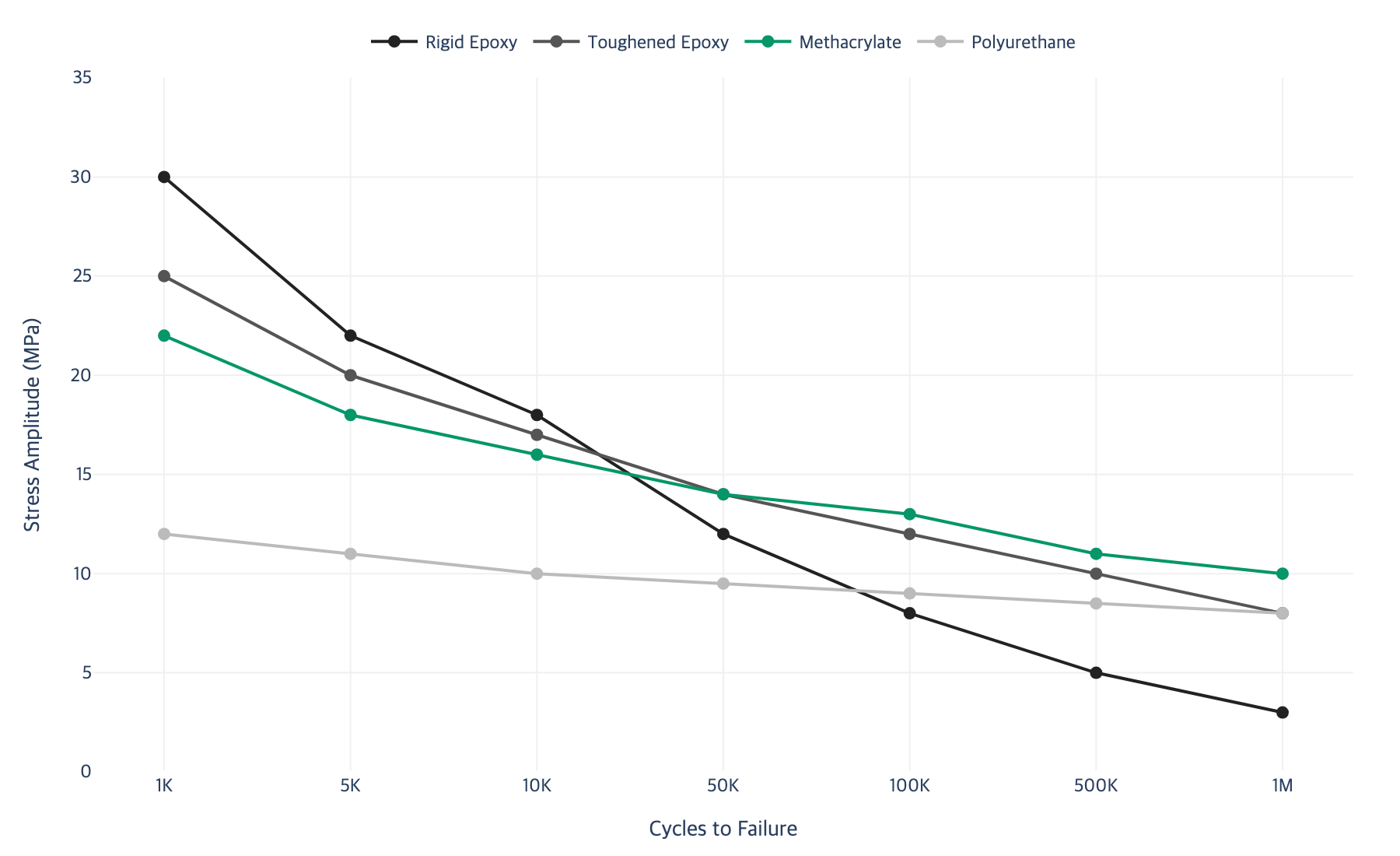
Figure 1b. Adhesive Type Comparison: Static Strength vs. Fatigue Life
Adhesive Type | Typical Lap Shear (MPa) | Fatigue Life (cycles at 50% static load) | Fracture Toughness (GIc, J/m2) | Creep Resistance |
|---|---|---|---|---|
Rigid epoxy (high Tg) | 25-35 | 10,000-50,000 | 200-500 | Excellent |
Rubber-toughened epoxy | 20-28 | 100,000-500,000 | 800-2,000 | Good |
Methacrylate (MMA) | 15-25 | 200,000-1,000,000 | 1,500-4,000 | Moderate |
Polyurethane (flexible) | 8-15 | 500,000-2,000,000+ | 3,000-8,000 | Low |
Structural acrylic | 15-22 | 100,000-500,000 | 1,000-3,000 | Moderate |
This table reveals the inverse relationship between static strength and fatigue performance. Rigid epoxies with the highest static strength have the shortest fatigue lives because crack initiation and propagation occur rapidly in the brittle matrix. The fracture toughness values confirm this pattern: rigid epoxies at 200 to 500 J/m2 offer minimal resistance to crack growth, while polyurethanes at 3,000 to 8,000 J/m2 can absorb substantially more energy before crack propagation becomes unstable. Flexible polyurethanes with the lowest static strength achieve the longest fatigue lives because their high fracture toughness resists crack growth, and their viscoelastic energy dissipation absorbs cyclic loading energy. Field engineers selecting adhesives for vibration-prone assemblies should evaluate GIc values as a primary selection criterion rather than defaulting to the highest lap shear strength available.
IV. Hygrothermal Aging and Crosslink Degradation
Moisture and temperature exposure over time cause chemical changes in the adhesive that progressively reduce joint strength, independent of mechanical loading. In many industrial environments, hygrothermal degradation is the primary driver of long-term adhesive joint failure, because it simultaneously reduces the adhesive's resistance to all three mechanical failure modes: static overload, fatigue, and creep. Understanding the mechanisms of moisture transport and chemical degradation is essential for predicting joint service life in outdoor, marine, and high-humidity industrial environments.
Moisture Diffusion and Plasticization
Water molecules diffuse through the adhesive bulk and concentrate at the adhesive-substrate interface. The diffusion process in epoxy adhesives generally follows Fickian kinetics during initial exposure, with diffusion rates that depend on temperature and the polymer's free volume. However, research has shown that polymeric materials may exhibit non-Fickian behavior during the first absorption cycle, followed by Fickian behavior in subsequent cycles, attributed to gradual reorganization of the polymer network during initial moisture exposure (Springer, 2025). Maximum equilibrium moisture absorption of different epoxy resin systems ranges from 1.46 to 2.51 percent by weight, depending on the resin formulation and crosslink density (MDPI Polymers, 2022).
Within the bulk, water acts as a plasticizer, increasing chain mobility, reducing Tg, and increasing creep susceptibility. The plasticization mechanism involves hydrogen bonding between water molecules and polar functional groups in the epoxy network, particularly hydroxyl groups and amine groups formed during curing. This hydrogen bonding disrupts the secondary bonds between polymer chains, increasing segmental mobility and effectively lowering the network's resistance to deformation. The magnitude of Tg depression depends on the amount of absorbed water: a commonly cited approximation is a 10 to 20 degree Celsius reduction in Tg per 1 percent weight gain of moisture. For an adhesive with a dry Tg of 80 degrees Celsius, reaching 2 percent moisture content could reduce the effective Tg to as low as 40 to 60 degrees Celsius, fundamentally changing the adhesive's creep behavior at moderate service temperatures.
At the interface, water can displace adhesive-substrate bonds, creating zones of weak adhesion that become crack initiation sites under mechanical loading. This interfacial degradation is particularly concerning because it cannot be detected by most non-destructive inspection methods and may not manifest until the joint is subjected to mechanical stress.
Hydrolysis of Crosslinks
In some adhesive chemistries, particularly ester-crosslinked systems, water causes hydrolysis of the crosslink bonds themselves, permanently reducing the network density and strength. Unlike plasticization, which is partially reversible upon drying, hydrolytic degradation is irreversible. Research has confirmed that when water approaches saturation within the polymer network, secondary bonds break due to covalent bond effects and crosslinked molecule expansion, leading to permanent structural changes (PMC, 2024). The rate of hydrolysis increases with temperature, following Arrhenius kinetics, which means that a joint exposed to 60 degrees Celsius at 90 percent relative humidity ages much faster than one at 25 degrees Celsius at the same humidity.
For practical estimation, the Arrhenius relationship allows engineers to calculate acceleration factors for hygrothermal aging. A typical activation energy for hydrolytic degradation in ester-crosslinked epoxies is approximately 58 kcal per mole below Tg and 165 kcal per mole above Tg (ScienceDirect, 1979). This sharp increase in activation energy above Tg means that aging accelerates dramatically once the service temperature exceeds the moisture-depressed Tg, creating a compounding degradation cycle: moisture lowers Tg, the lower Tg increases molecular mobility at service temperature, the increased mobility accelerates further moisture absorption and hydrolysis.
Thermal Cycling Effects
Cyclic temperature changes create differential thermal expansion between the adhesive and the substrates, generating internal stresses even without external mechanical loading. The coefficient of thermal expansion (CTE) for typical structural adhesives ranges from 40 to 80 ppm per degree Celsius, compared to 12 ppm per degree Celsius for steel and 23 ppm per degree Celsius for aluminum. A temperature swing of 60 degrees Celsius in a joint bonding steel substrates with an epoxy adhesive generates interfacial shear strains on the order of 0.1 to 0.3 percent, which are sufficient to initiate microcracks at bond line edges over thousands of thermal cycles.
Over thousands of thermal cycles, these stresses contribute to interfacial fatigue and can initiate delamination at bond line edges, particularly when combined with moisture exposure. The combination of thermal cycling and moisture creates a synergistic degradation effect that is worse than either mechanism alone: thermal cycling creates microcracks that accelerate moisture ingress, and moisture weakens the adhesive's resistance to further thermal fatigue damage.
V. Adhesive Chemistry Selection for Dynamic Applications
Selecting adhesives for dynamic applications requires evaluating fatigue S-N curves, creep compliance data, and accelerated aging performance rather than relying on static lap shear values alone. This represents a fundamental shift in the selection methodology that many engineers have used throughout their careers, but it is essential for achieving reliable joint performance in service. The global automotive structural adhesives market, estimated at approximately 2.7 billion USD in 2025 with continued growth projected through 2032 (Metastat Insight, 2025), reflects the increasing importance of getting this selection right as adhesive bonding displaces mechanical fastening in critical applications.
Matching Chemistry to Loading Profile
For high-cycle fatigue applications involving vibration and oscillating loads, prioritize fracture toughness and energy dissipation. Rubber-toughened epoxies or methacrylates outperform rigid epoxies in these environments because their higher GIc values, typically 800 to 4,000 J/m2 compared to 200 to 500 J/m2 for rigid epoxies, resist crack propagation more effectively. The rubber particles in toughened epoxies serve a dual function: they blunt crack tips and dissipate energy through cavitation and shear yielding of the surrounding matrix, both of which slow crack growth rates.
For sustained static load with creep concern, such as structural weight-bearing applications, prioritize high Tg and crosslink density. Rigid epoxies with Tg above the maximum service temperature by at least 30 degrees Celsius provide the best creep resistance because the crosslinked network remains in its glassy state throughout the service temperature range, restricting molecular mobility. The creep compliance at the maximum service temperature, not the room-temperature lap shear strength, is the critical specification for these applications.
For combined cyclic and static loading, toughened epoxies provide the best balance of creep resistance and fatigue life. These formulations incorporate rubber toughening agents at concentrations that improve fracture toughness without excessively reducing Tg or crosslink density. The resulting compromise delivers acceptable performance across multiple loading modes, though it will not match the peak performance of specialized formulations in any single mode.
Figure 2. Static Strength vs. Fatigue Life Inverse Relationship
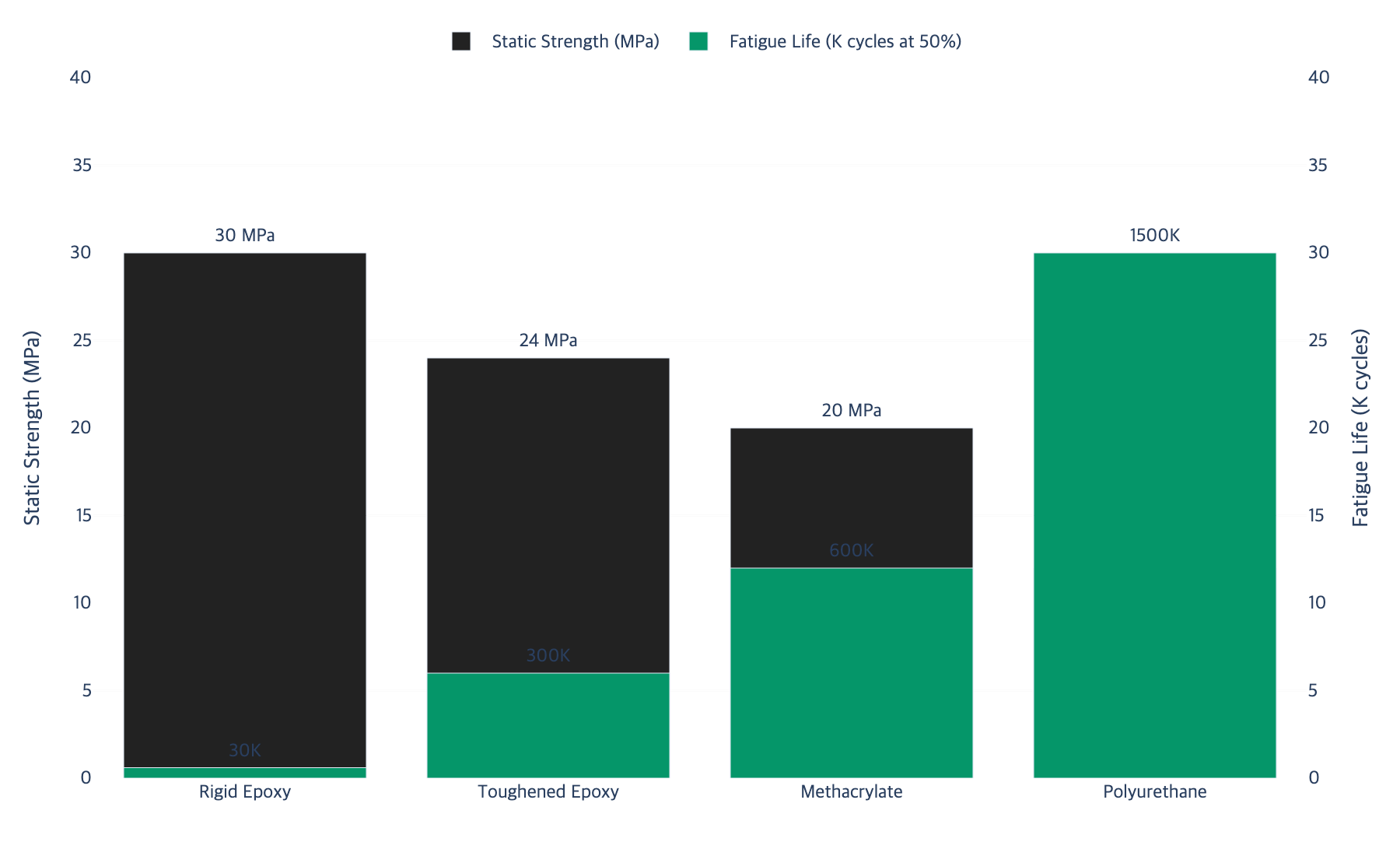
Figure 2b. Selection Framework by Loading Profile
Loading Profile | Primary Requirement | Recommended Chemistry | Key Specification to Check |
|---|---|---|---|
High-cycle vibration | Fatigue resistance | Rubber-toughened epoxy, MMA | S-N curve at service temperature |
Sustained static load | Creep resistance | Rigid high-Tg epoxy | Creep compliance at max service temp |
Thermal cycling | Interfacial toughness | Flexible epoxy, PU | Peel strength after thermal aging |
High humidity exposure | Moisture resistance | Hydrophobic epoxy, MMA | Lap shear retention after cataplasm test |
Combined cyclic + static | Balanced performance | Toughened epoxy | Fatigue life + creep data together |
This framework is a starting point, not a complete specification. Each row identifies the dominant loading condition and the adhesive chemistry family most likely to perform well, but the actual selection must account for substrate compatibility, surface preparation requirements, cure schedule constraints, and operating temperature range. For any dynamic application, request the adhesive supplier's fatigue and creep data at the service conditions, not just the room-temperature static data sheet values. If the supplier cannot provide this data, treat it as a risk factor and consider independent testing before committing to production.
The Role of Surface Preparation
No discussion of adhesive joint durability is complete without addressing surface preparation, because even the best adhesive chemistry will fail prematurely if the interface is compromised. Surface preparation affects fatigue life through two mechanisms. First, it determines the initial bond strength at the interface, which controls where fatigue cracks initiate. Poorly prepared surfaces create weak interfacial zones that fail before the adhesive bulk reaches its fatigue limit. Second, surface preparation determines the durability of the interface under environmental exposure. Surfaces treated with chemical conversion coatings or primers that form covalent bonds with both the substrate and adhesive maintain interfacial integrity far longer than surfaces prepared by simple solvent cleaning or mechanical abrasion alone.
For fatigue-critical applications on steel substrates, grit blasting followed by a silane coupling agent provides a durable interface. For aluminum, chromate conversion coating or phosphoric acid anodizing remain the gold standard for environmental durability, though chromate-free alternatives based on zirconium or titanium conversion coatings are increasingly used due to environmental regulations. The surface preparation method should be validated through accelerated aging tests, specifically wedge tests per ASTM D3762, which evaluate interfacial durability under combined mechanical and environmental loading.
VI. Field Cases: When Static Data Misleads
The following cases illustrate common failure scenarios where adhesive joints were selected based on static data alone, leading to premature failure in service. These cases are anonymized but structurally representative of failures observed across multiple industries. They demonstrate how the mechanisms described in previous sections manifest in practice, and how mechanism-based adhesive selection resolves the underlying problem.
Case 1: Vibration Failure in Industrial Equipment
Company A bonded steel brackets to an equipment frame using a rigid epoxy rated at 30 MPa lap shear strength. The brackets supported auxiliary sensors and cable routing on a continuously operating compressor assembly, with a total bonded area of approximately 1,200 mm2 per bracket and a design service load of 8 MPa. The apparent static safety factor was 3.75, which the engineering team considered adequate based on their experience with bolted connections.
After 4 months of continuous operation with machine vibration at approximately 15 Hz, brackets began debonding. Initial inspection revealed cohesive failure patterns originating from the bond line edges, characteristic of fatigue crack propagation. Investigation using the Paris law framework revealed that the rigid epoxy's fatigue life at 8 MPa and 15 Hz was approximately 40,000 cycles, equivalent to less than 1 hour of continuous operation at the vibration frequency. The accumulated fatigue damage over 4 months, representing over 150 million cycles, far exceeded the adhesive's fatigue endurance.
The root cause analysis identified three contributing factors. First, the rigid epoxy's low fracture toughness, approximately 350 J/m2 for GIc, allowed rapid crack propagation once fatigue cracks initiated at the bond line edges. Second, the lap joint geometry created peel stress concentrations at the overlap ends that accelerated crack initiation. Third, no spew fillets were formed during assembly, leaving sharp stress concentration points at every bond line termination.
Replacing with a rubber-toughened epoxy rated at 20 MPa static lap shear strength but with a GIc of approximately 1,500 J/m2 resolved the problem. The fatigue life at 8 MPa and 15 Hz exceeded 500,000 cycles for this chemistry, and its higher fracture toughness slowed crack propagation by more than an order of magnitude. The static safety factor decreased from 3.75 to 2.5, but the actual service reliability increased dramatically. Additionally, the assembly process was modified to ensure consistent fillet formation at all bond line terminations, further reducing edge stress concentrations. After 18 months of continuous operation, no bracket debonding has been observed.
Case 2: Creep Failure in Outdoor Signage
Company B used a structural acrylic adhesive with a rated lap shear strength of 18 MPa to bond aluminum composite panels, each weighing approximately 12 kg, to a steel frame for outdoor signage at a height of 8 meters. The design accounted for wind loading and panel weight, with maximum sustained shear stress calculated at 4 MPa, providing a safety factor of 4.5 against static failure. The installation was completed in winter, and the adhesive was selected based on room-temperature performance data and its ease of application.
Summer temperatures at the installation site reached 55 degrees Celsius, with panel surface temperatures occasionally exceeding 65 degrees Celsius due to solar radiation on the dark-colored panels. The structural acrylic had a Tg of 65 degrees Celsius. After 18 months, panels showed visible displacement of 3 to 5 mm from their original positions, and 4 out of 32 bonded connections failed completely, requiring emergency repair to prevent panels from detaching at height.
Investigation revealed that at 55 degrees Celsius ambient temperature, the adhesive was operating at approximately 85 percent of its Tg. At panel surface temperatures of 65 degrees Celsius, the adhesive was at or above its Tg, entering a regime where creep rates increase by approximately 10 times compared to the 25 degree Celsius test condition. The compounding effect of moisture absorption during rain cycles further depressed the effective Tg by an estimated 8 to 12 degrees Celsius, pushing the adhesive deeper into its transition region during summer months.
Replacing with an epoxy adhesive having a Tg of 120 degrees Celsius eliminated the creep problem. The service temperature of 55 to 65 degrees Celsius remained well below 50 percent of the adhesive's Tg, placing the joint firmly in the glassy regime where creep rates are negligible. The higher-Tg epoxy required a more rigorous surface preparation procedure and a longer cure time, increasing installation cost by approximately 35 percent per joint. However, this investment eliminated the warranty repair costs that had already exceeded the original installation budget within the first 18 months.
Case 3: Combined Fatigue and Hygrothermal Failure in Marine Equipment
Company C bonded fiberglass-reinforced polymer (FRP) stiffeners to a steel deck structure on a marine vessel using a two-part structural epoxy with a Tg of 75 degrees Celsius and a rated lap shear strength of 22 MPa. The joint design provided a static safety factor of 3.1, and initial peel and shear stress analyses were conducted at room temperature. The vessel operated in tropical waters with ambient temperatures of 30 to 38 degrees Celsius, relative humidity consistently above 85 percent, and engine vibration producing cyclic loading at 8 to 25 Hz across various structural locations.
After 24 months of service, routine inspection revealed that 15 percent of bonded stiffener connections showed visible edge cracking, and pull-off tests on suspect joints yielded strengths 40 to 55 percent below the original specification. The failure pattern was predominantly interfacial on the steel side, indicating adhesive-substrate bond degradation rather than cohesive failure within the adhesive bulk.
The investigation identified a multi-mechanism failure sequence. First, constant high humidity drove moisture diffusion into the adhesive, reaching approximately 1.8 percent equilibrium moisture content within 6 months. This moisture absorption depressed the effective Tg from 75 to approximately 55 to 60 degrees Celsius, placing the adhesive within 20 to 25 degrees Celsius of the service temperature. Second, the reduced Tg increased the adhesive's creep rate and reduced its fatigue endurance limit by approximately 20 percent compared to dry conditions. Third, at the steel interface, moisture displaced adhesive-metal bonds, creating interfacial weaknesses that served as fatigue crack initiation sites. The combination of engine vibration and wave loading then propagated cracks along these weakened interfaces.
The remediation involved three changes. First, the adhesive was replaced with a toughened epoxy formulated for marine applications, with a Tg of 110 degrees Celsius and demonstrated moisture resistance through a 1,000-hour cataplasm aging protocol. Second, the steel surfaces were grit-blasted to SA 2.5 standard and treated with a silane coupling agent to improve interfacial durability. Third, bond line edges were sealed with a moisture-barrier coating to reduce the rate of water ingress into the adhesive. Follow-up inspections at 12 and 24 months showed no evidence of edge cracking or interfacial degradation in the remediated joints.
VII. Key Takeaway
Static lap shear strength does not predict dynamic joint performance; always request fatigue S-N curves and creep data at actual service conditions before specifying an adhesive for any application involving cyclic loading, sustained loads, or elevated temperatures
Viscoelastic creep accelerates dramatically as service temperature approaches the adhesive's Tg, making Tg the critical specification for sustained-load applications; maintain a minimum 30 degree Celsius margin between the adhesive's Tg and the maximum service temperature, and increase this margin in humid environments where moisture absorption can depress effective Tg by 10 to 20 degrees Celsius
Fatigue cracks initiate at bond line edges, voids, and poor fillets; joint design and application quality control, including consistent fillet formation and void minimization, matter as much as adhesive selection in determining fatigue life
High static strength and high fatigue resistance often move in opposite directions: rigid epoxies with GIc values of 200 to 500 J/m2 are strong but brittle, while toughened adhesives with GIc values above 1,000 J/m2 are more fatigue-resistant; use fracture toughness as the primary selection criterion for vibration-prone applications
Hygrothermal aging irreversibly degrades adhesive performance through plasticization and crosslink hydrolysis; accelerated aging tests, particularly cataplasm testing and wedge tests per ASTM D3762, should be part of every adhesive selection protocol for outdoor or high-humidity applications
Lubinpla's AI platform evaluates adhesive candidates against actual service loading profiles, including temperature ranges, humidity exposure, vibration frequencies, and sustained load levels, cross-referencing fatigue S-N data, creep compliance curves, and accelerated aging results to recommend the chemistry that delivers reliable long-term performance rather than impressive static numbers. When a field engineer inputs their joint geometry, substrate materials, and operating environment, Lubinpla's cross-domain inference identifies the dominant failure mechanism for that specific application and flags adhesive candidates whose dynamic performance data matches the actual service demands.
VIII. References
[1] PMC, "Strength in Adhesion: Multi-Mechanics Review of Polymer Bonding", 2024. https://pmc.ncbi.nlm.nih.gov/articles/PMC12526568/
[2] ResearchGate, "Creep Behaviour and Life Prediction of Epoxy Structural Adhesives", 2024. https://www.researchgate.net/publication/390184380_Creep_behaviour_and_life_prediction_of_epoxy_structural_adhesives_used_for_CFRP_strengthening_applications
[3] MDPI Polymers, "Influence of Temperature, Humidity and Load on Adhesive Joint Properties", 2023. https://www.mdpi.com/2073-4360/15/2/339
[4] ScienceDirect, "Cyclic Fatigue Testing of Polyurethane Adhesive Joints", 2021. https://www.sciencedirect.com/science/article/pii/S2666330921000133
[5] Wiley, "Two-Parameter Analysis of Fatigue Crack Growth in Acrylic Adhesive Joints", 2023. https://onlinelibrary.wiley.com/doi/full/10.1111/ffe.13908
[6] ScienceDirect, "Impact of Structural Adhesive Creep on CFRP-Strengthened Steel Beams", 2024. https://www.sciencedirect.com/science/article/abs/pii/S0143974X24007284
[7] ResearchGate, "Effect of Temperature and Humidity on Creep and Aging of Adhesive Joints", 2022. https://www.researchgate.net/publication/359007656_Effect_of_temperature_and_humidity_on_the_creep_and_aging_behavior_of_adhesive_joints_under_static_loads
[8] EPFL, "Fatigue of Structural Adhesive Joints", 2024. https://infoscience.epfl.ch/server/api/core/bitstreams/f0638bbf-773a-4403-8279-bb9c5120ae27/content
[9] ScienceDirect, "New Testing Methodology for Fatigue Properties of Structural Adhesives", 1996. https://www.sciencedirect.com/science/article/abs/pii/S0143749696000188
[10] ResearchGate, "Creep and Fatigue in Polymer Matrix Composites", 2016. https://www.researchgate.net/publication/296139317_Creep_and_Fatigue_in_Polymer_Matrix_Composites
[11] PMC, "Effect of Bond-Line Thickness on Fatigue Crack Growth of Structural Acrylic Adhesive Joints", 2021. https://ncbi.nlm.nih.gov/pmc/articles/PMC8037920
[12] PMC, "Enhancing Fatigue Life and Strength of Adhesively Bonded Composite Joints", 2023. https://pmc.ncbi.nlm.nih.gov/articles/PMC10573937/
[13] Metastat Insight, "Automotive Structural Adhesives Market Size and Share", 2025. https://www.metastatinsight.com/report/automotive-structural-adhesives-market
[14] HAL Science, "Creep Behavior of Cold-Curing Epoxy Adhesives", 2015. https://hal.science/hal-01207683/document
[15] Ellsworth, "Fatigue Resistance of Structural Adhesives", 2024. https://www.ellsworth.com/resources/insights/white-papers/fatigue-resistance-of-structural-adhesives/
Powered by Lubinpla
Discover how technical teams solve complex challenges faster with AI.